What does it look like to provide individualized support for over 200 courses and over 200 faculty each semester?
CDIL chats with Tanisha Williams, Digital Teaching Support Specialist, to learn how her professional background drives her passion for partnering with faculty to try new things in online learning spaces.
What is your professional background, and what led you to join CDIL?
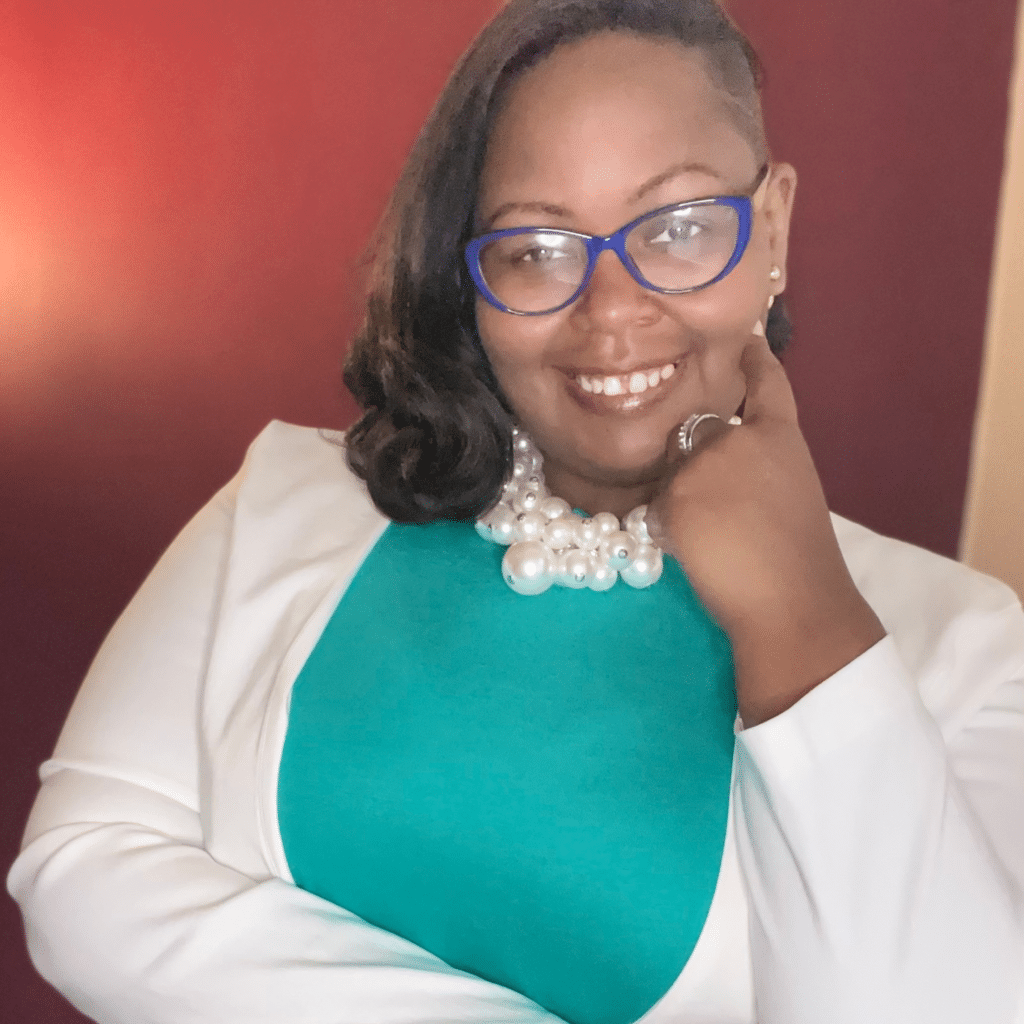
I entered higher education 16 years ago as an adjunct professor in business and freshman studies. Because I like technology, I’ve always explored different roles that allowed me to learn about LMSs (Learning Management Systems) and different learning technologies. Every position that I’ve had since 2010 has been in faculty development and supporting faculty in learning the LMS so that they can better support students. I’ve always just had a love for adult education. My love comes from my own experience. My educational background is not in education, and I learned a lot about theories and best practices through firsthand experience. I relate to the new adjunct faculty here who have a desire to teach despite not having the official educational experience.
I joined CDIL in the middle of the COVID-19 pandemic and was excited to learn more about learning design. I personally love the CDIL team as a whole because of the fact that they’re just so proactive. I always brag about this to people; I’ve never worked somewhere where we have months of preparation. We really do give faculty that opportunity to get comfortable and confident with technology. I love that part of my job where I can support faculty members, whether they are apprehensive about technology. After one or two sessions with me, they’re like, “Okay, I think I can do this.”
For someone new to campus, how would you describe what CDIL does and why that work matters?
I tell faculty that we can help them take their ideas and bring them to life, whether that’s strictly in Canvas or using another tool. Our work at CDIL matters because it helps students to have a better experience. Even something as simple as properly setting up an assignment on Canvas alleviates students’ stress. When students have trouble submitting an assignment on Canvas, they experience that as an emergency and generally panic-email multiple people, including the faculty member, who then also often feels stressed because their students are. However, if I can give faculty little “tips and tricks” to either prevent these issues from happening or give them the tools they need to quickly troubleshoot these issues, everyone is less stressed, and students ultimately have a better experience in their online course.
What part of your work at CDIL excites you most?
I always love helping people understand something new, especially technology. In every role, I’ve always trained faculty, and that was always the fear. Saying, “I don’t think I can do it. I’m going to break it.” And I’m like, “It’s software for a reason. You can mess it up, but I’m going to give you the tips and the tricks so that if you do mess it up, you can find a way to retrieve it.” So, I think that’s the one thing that I just love: helping people to overcome that fear and just get that understanding for themselves.