
There are some fresh faces here at the Center for Digital Innovation in Learning. I had a conversation with the newest member of the Project Management and Operations Team, Cynthia Cunninham. Read on to find out more about Cynthia and her emphasis on collaboration in project management.
What is your professional background, and what led you to join CDIL?
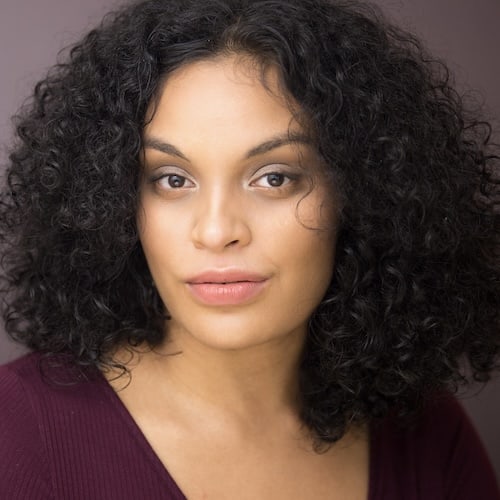
My professional background has centered around community engagement and program operations. I’ve worked in higher education and startup ecosystems, where I supported cross-functional teams, organized large-scale initiatives, and helped bring complex projects to life in ways that felt organized and collaborative rather than chaotic.
I joined CDIL because I was drawn to the intersection of innovation, learning design, and coordination. I’ve always enjoyed being a person who connects people, clarifies processes, and helps ideas move from concept to execution. CDIL felt like a place where that kind of behind-the-scenes leadership directly supports meaningful work on campus.
For someone new to campus, how would you describe what CDIL does and why that work matters?
CDIL is the team that helps translate academic vision into high-quality learning experiences. We partner with faculty to design and develop online and hybrid courses that are pedagogically strong, technically sound, and accessible to students.
What makes that work meaningful is that it directly shapes students’ educational experience. When courses are thoughtfully designed, they reduce friction for both faculty and students and create more space for engagement, clarity, and meaningful learning.
What part of your work at CDIL excites you most, and what is something people might be surprised to learn about your role?
What excites me most is the collaboration. Every course project involves faculty, learning designers, and media producers, and I enjoy being the person who helps keep everyone aligned and moving forward. I’ve always gravitated toward roles where I can connect people and remove friction, and project management allows me to do that every day.
I think people are often surprised by the scope of the role. I sometimes describe it this way: the courses are the plane, the faculty are the pilots, and the learning designers and media producers are the engineers who make sure everything is functional and ready for takeoff.
Project managers are like air traffic control. We’re not the ones flying the plane, but we’re coordinating timelines, anticipating bottlenecks, providing clear guidelines and resources, and making sure everything takes off and lands safely. When it works well, it’s almost invisible — but it’s essential.
At its best, project management creates the structure and coordination that allows strong academic ideas to succeed.
